
Publicação da Secretaria de Vigilância em Saúde, para os que gostam de epidemiologia, com o perfil da infecção pelo Zika vírus em mulheres no Brasil.
Mês: novembro 2016
Oral fosfomycin for treatment of urinary tract infection: a retrospective cohort study | Read by QxMD

BACKGROUND: Fosfomycin is increasingly called upon for the treatment of multi drug-resistant (MDR) organisms causing urinary tract infection (UTI). We reviewed oral fosfomycin use for UTI treatment in a large UK hospital. The primary goal was to audit our clinical practice against current national guidelines. Secondary aims were to identify factors associated with treatment failure, and to investigate the potential for using fosfomycin in patients with co-morbidities. METHODS: We retrospectively studied 75 adult patients with UTI who received 151 episodes of treatment with fosfomycin from March 2013 to June 2015. We collected clinical data from our electronic patient record, and microbiology data pre- and post- fosfomycin treatment. We recorded additional data for patients receiving prolonged courses in order to make a preliminary assessment of safety and efficacy. We also reviewed >18,000 urinary tract isolates of Escherichia coli and Klebsiella spp. processed by our laboratory over the final year of our study period to determine the prevalence of fosfomycin resistance. RESULTS: There was a significant increase in fosfomycin treatment episodes over the course of the study period. Co-morbidities were present in 71Â % of patients. The majority had E. coli infection (69Â %), of which 59Â % were extended spectrum beta-lactamase (ESBL)-producers. Klebsiella infections were more likely than E. coli to fail treatment, and more likely to be reported as fosfomycin resistant in cases of relapse following treatment. There were no adverse events in five patients treated with prolonged fosfomycin. Among all urinary isolates collected over a year, fosfomycin resistance was documented in 1Â % of E. coli vs. 19Â % of Klebsiella spp. (pâ<â0.0001). CONCLUSIONS: We report an important role for oral fosfomycin for MDR UTI treatment in a UK hospital population, and based on the findings from this study, we present our own local guidelines for its use. We present preliminary data suggesting that fosfomycin is safe and effective for use in patients with complex comorbidities and over prolonged time periods, but may be less effective against Klebsiella than E. coli.
3 Common Causes of Drug-Resistant Bacteria Transmission
 Researchers have proposed three key risk factors for transmission and acquisition of carbapenemase-producing carbapenem-resistant Enterobacteriaceae.
Fonte: 3 Common Causes of Drug-Resistant Bacteria Transmission
Imagem: Histoplasmose das suprarrenais

Paciente encaminhado ao oncologista por lesões tumorais de suprarrenais, com evolução rápida para Síndrome de Addisson. Qual não foi a surpresa quando a biópsia revelou tratar-se de histoplasmose e não uma doença neoplásica.
Antiretroviral therapy improves survival among TB-HIV co-infected patients who have CD4+ T-cell count above 350cells/mm(3) | Read by QxMD
 BACKGROUND: Co-infection with Mycobacterium tuberculosis remains a leading cause of morbidity and mortality among HIV infected individuals especially in developing countries. Early initiation of cART in these patients when CD4+ T cell count is less than 200cells/mm(3) has reduced disease progression and mortality. However for patients with higher CD4+ T cell counts greater than 350cells/mm(3) evidence is conflicting. In this study we seek to evaluate the effectiveness of cART in reducing mortality among TB-HIV co-infected patients with CD4â+âT cells above 350cells/mm(3) at the time of TB diagnosis. METHOD: In a retrospective cohort study we analyzed 337 HIV-TB co-infected patients with CD4+ T cells above 350cells/mm(3) at baseline who were diagnosed between 2006 and 2012 in the southern province of Zambia. The primary outcome was all-cause mortality. We estimated the effect of cART by comparing survival according to cART and controlling for differential loss to follow-up. RESULTS: Of the 257 patients on cART, 22 died (9 %) and 20 (8 %) were lost to follow-up; of 80 patients not on cART, 20 died (25 %) and 19 (24 %) were lost to follow-up. Patients treated with cART had better survival compared to those not treated (Pâ<â0â·â0001, log-rank test). In a proportional hazard regression adjusting for Cotrimoxazole, the risk of death was reduced by 78 % with cART (95 % CI: 0â·â47, 0â·â91). In a propensity score analysis, the effect of cART was still beneficial. CONCLUSION: In patients with HIV-associated TB and CD4+ T cells above 350cells/mm(3), treatment with cART reduced mortality for up to 4 years as compared to no cART and was associated with better retention in care.
Imagem:tonsilite úlcero-membranosa (angina de Plaut-Vincent)


Paciente jovem, com história aguda de odinofagia e febre, mas com estado geral relativamente preservado. A segunda foto é o resultado de alguns dias de terapia antimicrobiana .
Fluconazole in the Treatment of Cutaneous Leishmaniasis Caused by Leishmania braziliensis: A Randomized Controlled Trial | Read by QxMD

Trabalho publicado no CID por um grupo grupo da Bahia, com resultados infelizmente desapontadores. Apenas o resumo disponível.
BACKGROUND: âThe treatment of cutaneous leishmaniasis (CL) caused by Leishmania braziliensis in Brazil with pentavalent antimony (Sb(v)) is associated with a high rate of failure, up to 45% of cases. In addition, Sb(v) can only administered parenterally and has important toxic effect. An effective, safe, and oral treatment for CL is required. METHODS: âA randomized controlled clinical trial was conducted to compare the efficacy and safety of high-dosage oral fluconazole (6.5-8.0 mg/kg/d for 28 days) versus a standard Sb(v) protocol (20 mg/kg/d for 20 days) for the treatment of CL in Bahia, Brazil. RESULTS: âA total of 53 subjects were included in the trial; 26 were treated with Sb(v), and 27 with fluconazole. Intention-to-treat analysis showed initial cure rates (2 months after treatment) of 22.2% (6 of 27) in the fluconazole and 53.8% (14 of 26) in the Sb(v) group (P = .04). Six months after treatment, the final cure rate remained the same in both groups, without any relapses. The frequencies of adverse effects in the Sb(v) and fluconazole groups were similar, 34.6% versus 37% respectively. One patient treated with fluconazole discontinued treatment owing to malaise, headache, and moderate dizziness (Common Terminology Criteria for Adverse Events grade 2). CONCLUSIONS: âOral fluconazole at a dosage of 6.5-8 mg/kg/d for 28 days should not be considered an effective treatment for CL caused by L. braziliensisClinical Trials Registration.âNCT01953744.
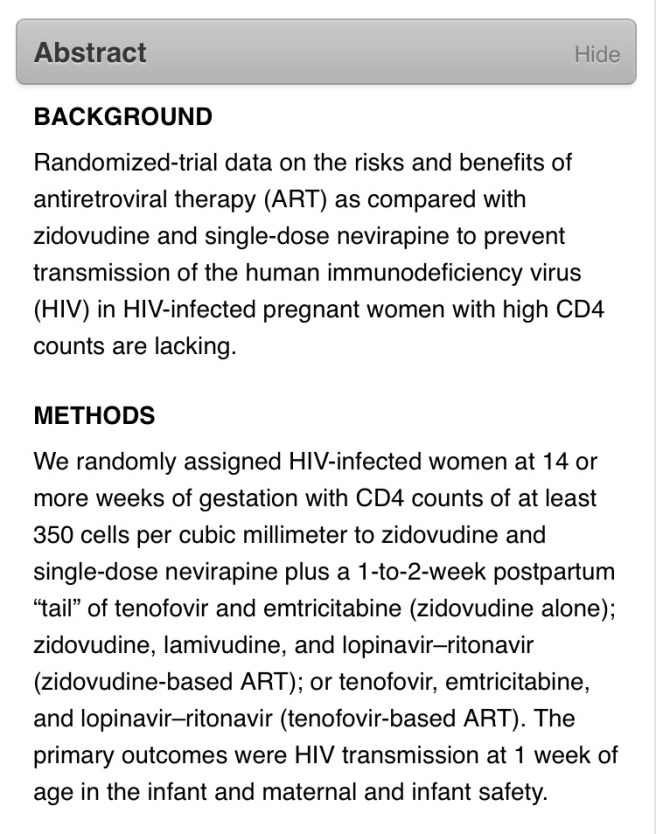
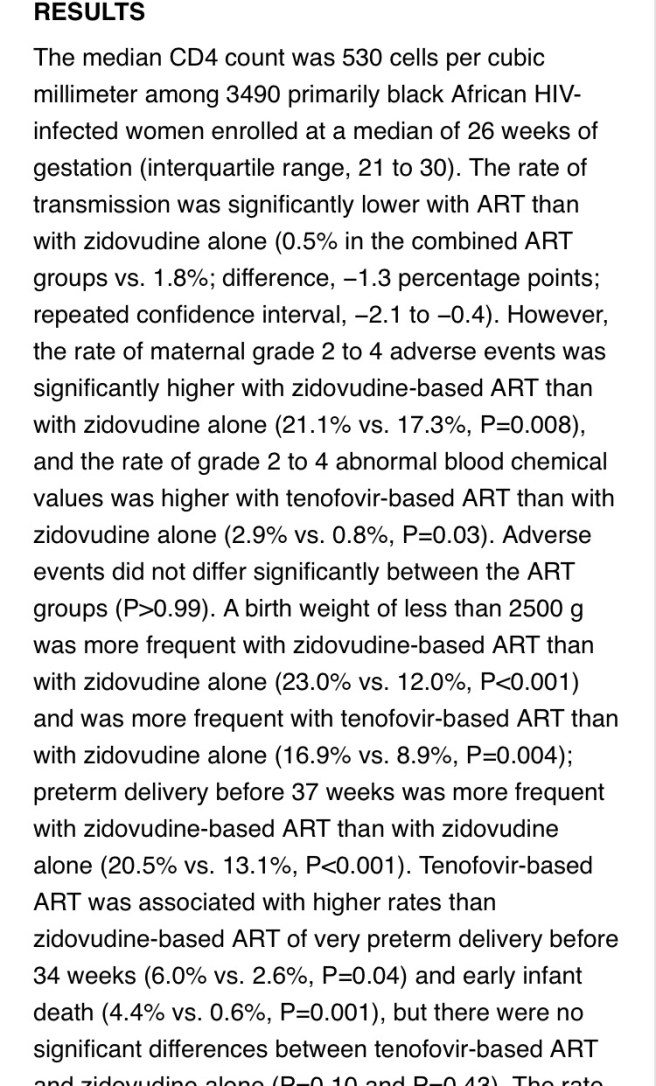
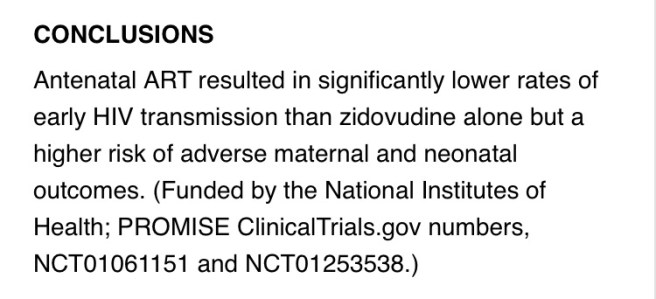
ORIGINAL ARTICLE Benefits and Risks of Antiretroviral Therapy for Perinatal HIV Prevention
Teste rápido da Fiocruz para diagnosticar zika é aprovado pela Anvisa – Notícias – Saúde
 Fonte: Teste rápido da Fiocruz para diagnosticar zika é aprovado pela Anvisa – Notícias – Saúde
Faltam algumas informações preciosas como por exemplo a partir de quantos dias de sintomas o teste pode ser aplicado e quais suas limitações. Mas ainda assim é uma notícia alvissareira.
Surto de microcefalia cresce no Rio e em SP – ISTOÉ Independente
 Há um ano o Ministério da Saúde emitia um alerta inimaginável até mesmo para os maiores infectologistas do País. Em uma portaria publicada no dia 11 de novembro de 2015, o Brasil decretava emergência em saúde pública por causa de um surto de microcefalia causado por um vírus recém-descoberto em território nacional. Desde então, 2.079 […]
Fonte: Surto de microcefalia cresce no Rio e em SP – ISTOÉ Independente
Era de se esperar. Depois do NE, a epidemia de zika tendo a se disseminar no restante do País, e com a chegada do verão o problema está só começando.
 blog infectologia em geral