 Despite a 79% worldwide decrease in measles deaths between 2000 and 2015, nearly 400 children still die from the disease every day.
Artigo médico
Frequent Routine Dental Care Protective Against Pneumonia

Adults who visited the dentist at least twice a year were significantly less likely to be diagnosed with bacterial pneumonia than those with less frequent visits, analysis of national data showed.
Fonte: Frequent Routine Dental Care Protective Against Pneumonia
Antiretroviral therapy improves survival among TB-HIV co-infected patients who have CD4+ T-cell count above 350cells/mm(3) | Read by QxMD
 BACKGROUND: Co-infection with Mycobacterium tuberculosis remains a leading cause of morbidity and mortality among HIV infected individuals especially in developing countries. Early initiation of cART in these patients when CD4+ T cell count is less than 200cells/mm(3) has reduced disease progression and mortality. However for patients with higher CD4+ T cell counts greater than 350cells/mm(3) evidence is conflicting. In this study we seek to evaluate the effectiveness of cART in reducing mortality among TB-HIV co-infected patients with CD4â+âT cells above 350cells/mm(3) at the time of TB diagnosis. METHOD: In a retrospective cohort study we analyzed 337 HIV-TB co-infected patients with CD4+ T cells above 350cells/mm(3) at baseline who were diagnosed between 2006 and 2012 in the southern province of Zambia. The primary outcome was all-cause mortality. We estimated the effect of cART by comparing survival according to cART and controlling for differential loss to follow-up. RESULTS: Of the 257 patients on cART, 22 died (9 %) and 20 (8 %) were lost to follow-up; of 80 patients not on cART, 20 died (25 %) and 19 (24 %) were lost to follow-up. Patients treated with cART had better survival compared to those not treated (Pâ<â0â·â0001, log-rank test). In a proportional hazard regression adjusting for Cotrimoxazole, the risk of death was reduced by 78 % with cART (95 % CI: 0â·â47, 0â·â91). In a propensity score analysis, the effect of cART was still beneficial. CONCLUSION: In patients with HIV-associated TB and CD4+ T cells above 350cells/mm(3), treatment with cART reduced mortality for up to 4 years as compared to no cART and was associated with better retention in care.
Fluconazole in the Treatment of Cutaneous Leishmaniasis Caused by Leishmania braziliensis: A Randomized Controlled Trial | Read by QxMD

Trabalho publicado no CID por um grupo grupo da Bahia, com resultados infelizmente desapontadores. Apenas o resumo disponível.
BACKGROUND: âThe treatment of cutaneous leishmaniasis (CL) caused by Leishmania braziliensis in Brazil with pentavalent antimony (Sb(v)) is associated with a high rate of failure, up to 45% of cases. In addition, Sb(v) can only administered parenterally and has important toxic effect. An effective, safe, and oral treatment for CL is required. METHODS: âA randomized controlled clinical trial was conducted to compare the efficacy and safety of high-dosage oral fluconazole (6.5-8.0 mg/kg/d for 28 days) versus a standard Sb(v) protocol (20 mg/kg/d for 20 days) for the treatment of CL in Bahia, Brazil. RESULTS: âA total of 53 subjects were included in the trial; 26 were treated with Sb(v), and 27 with fluconazole. Intention-to-treat analysis showed initial cure rates (2 months after treatment) of 22.2% (6 of 27) in the fluconazole and 53.8% (14 of 26) in the Sb(v) group (P = .04). Six months after treatment, the final cure rate remained the same in both groups, without any relapses. The frequencies of adverse effects in the Sb(v) and fluconazole groups were similar, 34.6% versus 37% respectively. One patient treated with fluconazole discontinued treatment owing to malaise, headache, and moderate dizziness (Common Terminology Criteria for Adverse Events grade 2). CONCLUSIONS: âOral fluconazole at a dosage of 6.5-8 mg/kg/d for 28 days should not be considered an effective treatment for CL caused by L. braziliensisClinical Trials Registration.âNCT01953744.
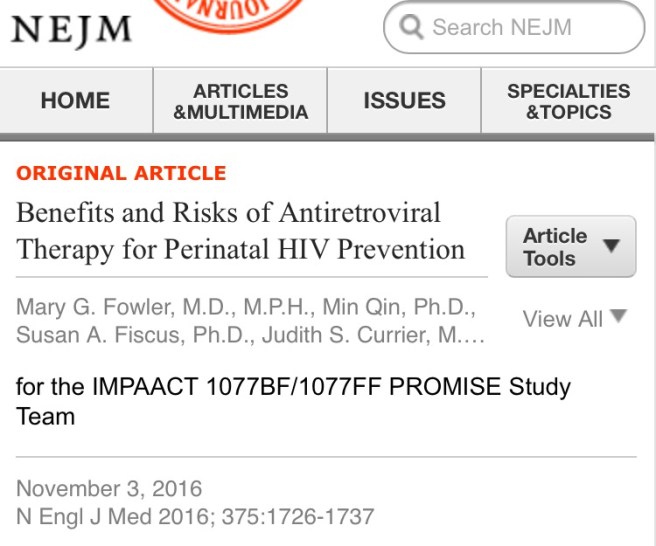
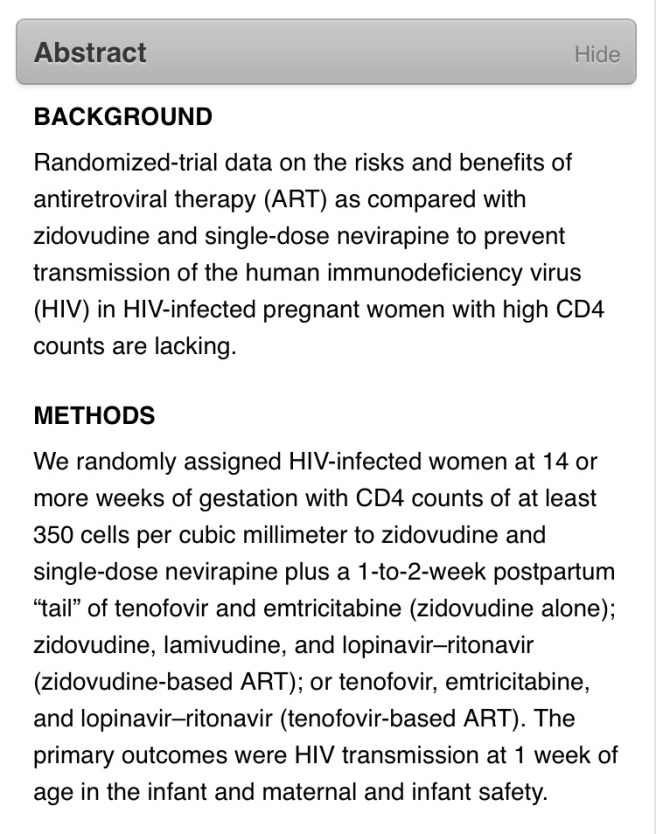
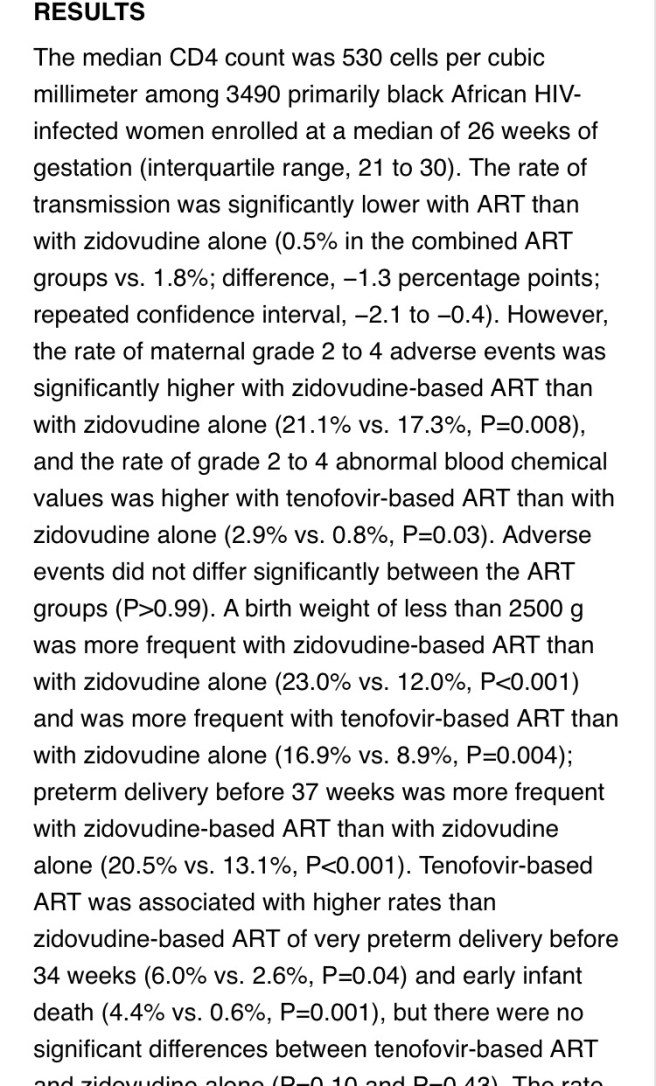
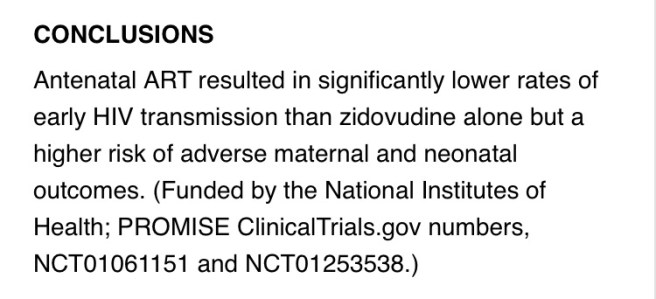
ORIGINAL ARTICLE Benefits and Risks of Antiretroviral Therapy for Perinatal HIV Prevention
Estudo sugere que o HIV já circulava nos EUA antes do imaginado

O paciente zero era um comissário de bordo que foi apontado pelos primeiros inquéritos epidemiológicos do CDC como o responsável pela disseminação do HIV nas comunidades gays de Nova York e São Francisco.
No filme “E A Vida Continua” (disponível no blog), que conta a história da descoberta da doença a partir de uma investigação epidemiológica do CDC, seu papel é representado pelo ator hollywoodiano Richard Gere.
Microbioma: a nova fronteira da pesquisa científica?
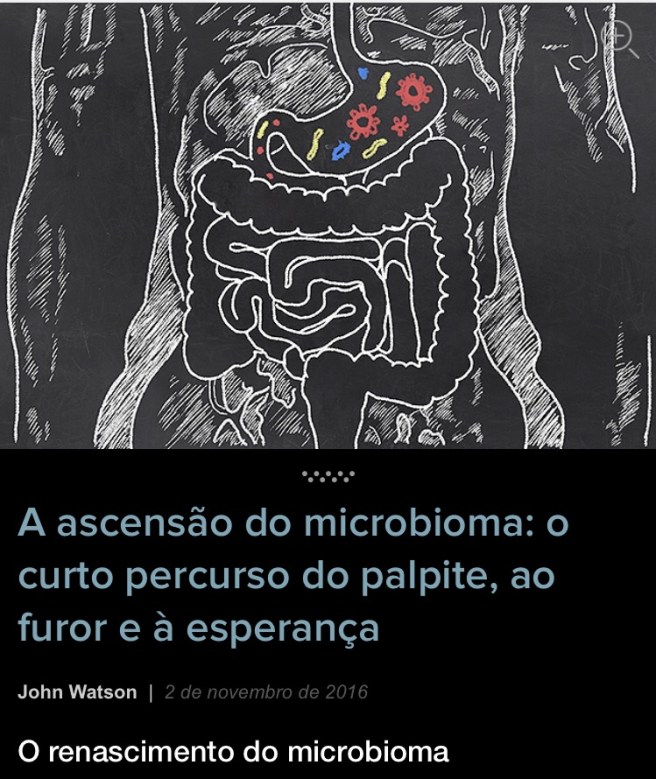
Não nego o fascínio que este tema exerce em mim. Acho que, se essas pesquisas forem bem conduzidas, o potencial de descobertas relacionadas à esta área é enorme. Para quem compartilha de minha empolgação, boa leitura!
Infections Nearly Halved After Meningococcal Vaccine Intro in UK

Infant immunization with the Bexsero vaccine led to a 42% decrease in the number of cases of meningococcal B meningitis and septicemia in the first year.
Fonte: Infections Nearly Halved After Meningococcal Vaccine Intro in UK
Há muito tempo se desejava uma vacina eficaz contra o meningococo B. Será que agora chegamos lá?
Two-Drug Treatment Approaches in HIV: Finally Getting Somewhere? | Read by QxMD

The advent of combination antiretroviral therapy (ART) has significantly decreased AIDS-related morbidity and mortality. Nevertheless, the benefits of ART are only realized through adherence to lifelong treatment. Though contemporary antiretroviral (ARV) drugs have fewer adverse effects in comparison to older ARV drugs, many agents are associated with negative or unknown long-term effects. There is increasing evidence that two-drug (dual-therapy) regimens may be an effective alternative to the currently recommended three-drug (triple-therapy) regimens. In this review, we provide a comprehensive and critical review of recently completed and ongoing trials of dual-therapy regimens in treatment-naïve and treatment-experienced HIV-1-infected patients. We also review current HIV/AIDS society recommendations regarding dual therapy as well as future therapeutic possibilities.
Fonte: Two-Drug Treatment Approaches in HIV: Finally Getting Somewhere? | Read by QxMD
Aterapia antiretroviral tripla é um dos mais sólidos pilares da nossa especislidade. Será que chegou a hora de rever nossos conceitos?
Mapping Plasmodium falciparum Mortality in Africa between 1990 and 2015 — NEJM
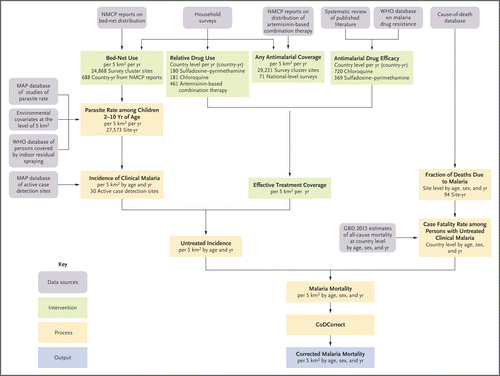
Original Article from The New England Journal of Medicine — Mapping Plasmodium falciparum Mortality in Africa between 1990 and 2015
Fonte: Mapping Plasmodium falciparum Mortality in Africa between 1990 and 2015 — NEJM
Sim! Planejamento e dinheiro bem aplicado podem ter impacto na redução da mortalidade, mesmo em populações carentes.
 blog infectologia em geral