Procalcitonin-guided antibiotic treatment in critically ill patients | Read by QxMD

PURPOSE: In critically ill patients, length of antibiotic treatment can be effectively guided by procalcitonin (PCT) protocols. International sepsis guidelines and guidelines on antibiotic stewardship strategies recommend PCT as helpful laboratory marker for a rational use of antibiotics. A number of studies and meta-analyses have confirmed the effectiveness of PCT-protocols for shortening antibiotic treatment without compromising clinical outcome in critically ill patients. But in clinical practice, there is still uncertainty how to interpret PCT levels and how to adjust antibiotic treatment in various infectious situations, especially in the perioperative period. METHODS: This narrative review gives an overview on the application of PCT-protocols in critically ill patients with severe bacterial infections on the basis of 5 case reports and the available literature. Beside strengths and limitations of this biomarker, also varying kinetics and different maximum values with regard to the infectious focus and pathogens are discussed. RESULTS: PCT-guided antibiotic treatment appears to be safe and effective. Most of the studies revealed a shorter antibiotic treatment without negative clinical outcomes. Cost effectiveness is still a matter of debate and effects on bacterial resistance due to shorter treatments, possible lower rates of drug-related adverse events, or decreased rates of Clostridium difficile infections are not yet evaluated. CONCLUSION: Guidance of antibiotic treatment can effectively be supported by PCT-protocols. However, it is important to consider the limitations of this biomarker and to use PCT protocols along with antibiotic stewardship programmes and regular clinical rounds together with infectious diseases specialists.

Fonte: Procalcitonin-guided antibiotic treatment in critically ill patients | Read by QxMD

O uso da procalcitonina e não da PCR é o “standart of care” da utilidade dos biomarcadores no manejo de antimicrobianos em pacientes sépticos.

Timeline dos antibióticos

nbt1206-1497-F2

Fruto da discussão da enfermaria de hoje. Note como a descoberta de novas drogas vem diminuindo assustadoramente ao longo dos anos, apesar da incorporação de novas tecnologias farmacêuticas para o desenvolvimento das mesmas.

FDA: Avoid Cipro, Similar Drugs for Common Infections | Medpage Today

Agency says risks outweigh benefits

Fonte: FDA: Avoid Cipro, Similar Drugs for Common Infections | Medpage Today

Isso lá. imagina aqui…

New Therapeutic Options for Skin and Soft Tissue Infections

image

Read about the new approved drugs for the treatment of MRSA complicated skin and soft tissue infections.

Fonte: New Therapeutic Options for Skin and Soft Tissue Infections

Embora focado em infecções de pele e partes moles, traz uma bela revisão das mais atuais opções para o tratamento de infecções por MRSA.

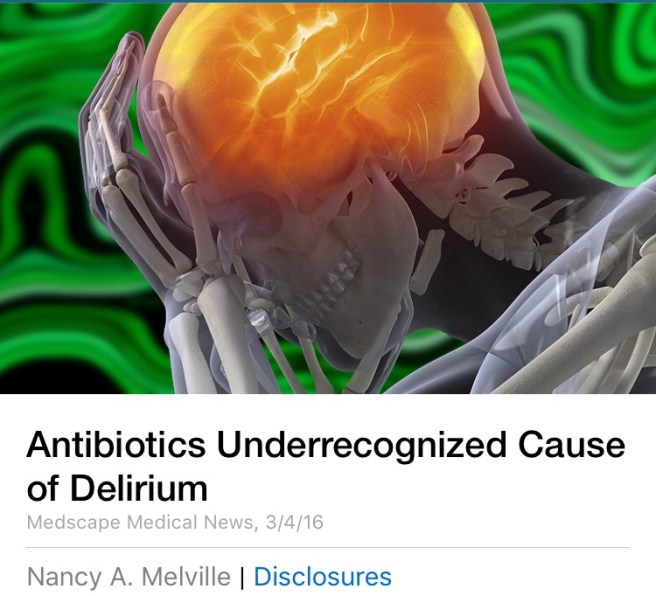
Antibióticos como causa de delírio em pacientes internados

imageAcesse a página aqui

Fundamental para que lida com pacientes internados e/ou da plantão em UTI. Merece uma profunda reflexão.

1928, A Descoberta da Penicilina – Testemunha da História – YouTube

Hoje na visita da enfermaria acabamos falando de Alexander Fleming e a descoberta “por acaso” da penicilina. Para ilustrar este tema posto um vídeo do YouTube sobre este episódio.

Uso excessivo de antibióticos na agropecuária ameaça saúde e segurança alimentar, alerta FAO

image

Acesse a página da notícia aqui

Um exemplo prático deste problema é a criação intensiva de frangos. Para evitar pneumonia nas crias que ficam aglomeradas nas granjas é de praxe colocar antimicrobianos na ração. De início foi a tetraciclina, depois substituida pela ciprofloxacina e mais recentemente pela polimixina B, nosso último recurso disponível no tratamento de infecções graves por bactérias gram negativas multirresistentes.

Cardiovascular outcomes associated with use of clarithromycin: population based study.

image

Não é de hoje que a claritromicina e vários outros antimicrobianos vem sendo implicados com arritmias. Neste caso é diferente, trata-se de eventos cardiovasculares em geral. O link leva para a pagina do PubMed. De lá há outro link para o artigo completo. Tudo em inglês.

BMJ. 2016 Jan 14;352:h6926. doi: 10.1136/bmj.h6926.